
Finding an old coin in a drawer can feel like opening a tiny time capsule. One moment it’s a curiosity; the next you want to know if it’s worth your attention — or your money. This guide walks you through the sensible, practical steps collectors and curious finders use to determine a best free coin identifier app value, from identification and grading to photographing, researching market demand, and deciding whether to sell, hold, or have it professionally graded.
We’ll keep the technical jargon to a minimum and focus on tools and techniques you can actually use. Along the way you’ll learn which quick tests are useful and which common mistakes can ruin a coin’s value. If you follow these steps, you’ll save time, avoid scams, and get a clearer picture of what your coin is truly worth.
Содержание
- 1 Start by Identifying Your Coin
- 2 Assess Condition: Grading Basics
- 3 Rarity, Varieties, and Provenance
- 4 Market Demand and Price Guides
- 5 Detecting Counterfeits and Alterations
- 6 Documenting and Photographing Your Coin
- 7 Selling: Options and Strategies
- 8 Storage and Preservation
- 9 Common Mistakes to Avoid
- 10 Next Steps: A Quick Checklist Before You Decide
- 11 Conclusion
Start by Identifying Your Coin
Identification is the foundation. Before you consider condition or market demand, you must know what the coin is: country, denomination, year, and mint mark. Those small details determine which price guides and auction records apply. Look at both sides closely—dates can be faint, and mint marks are often tiny letters near the date or on the reverse.
Use a jeweler’s loupe or a 10x magnifier and a light source. Note metal composition by appearance: copper, silver, and gold all look different when you know what to look for; modern plated coins can mimic older metal, so be careful. Record every visible feature: edge type (reeded, plain, lettered), portrait direction, and any unusual letters or symbols.
Tools You’ll Need
- Loupe or magnifier (10x recommended)
- Soft, lint-free gloves to avoid oils from fingers
- Soft brush and compressed air for gentle dusting (do not clean)
- Calipers and a small scale for measurements and weight
- Reference books or bookmark a few online catalogs
- Phone or camera with macro mode for high-quality photos
These are inexpensive and portable. A digital scale and calipers let you confirm metal content by weight and diameter against published specs; suspicious deviations can indicate a counterfeit or a different variety.
Assess Condition: Grading Basics
Condition, or grade, is the single biggest factor affecting value for most collectible coins. Grading measures wear, surface preservation, and strike quality. Don’t guess; compare your coin against illustrated guides. Minor differences between “Fine” and “Very Fine” can mean significant value changes.
Surface issues like scratches, cleaning marks, or corrosion can reduce value more than light wear from circulation. Original toning — a thin, naturally formed patina — is often favored over bright, artificially shiny surfaces created by cleaning. When in doubt, prefer gentle preservation over aggressive restoration.
| Common Grade | Shorthand | Description |
|---|---|---|
| Poor to Good | P–G | Heavily worn; date and details may be partially visible |
| Fine | F | Clear outlines, but major features show wear |
| Very Fine | VF | Moderate wear with most details visible |
| Extremely Fine | XF or EF | Minor wear on the highest points, strong detail |
| About Uncirculated / Almost Uncirculated | AU | Tiny traces of wear; overall sharpness intact |
| Mint State / Uncirculated | MS | No circulation wear; surface quality varies by strike and handling |
When to Consider Professional Grading
Professional grading services like PCGS and NGC encapsulate a coin and assign a grade. Slabbing adds buyer confidence and can increase liquidity for high-value pieces. However, grading costs money and can be a poor investment for low-value coins. Submit coins that are already strong candidates for premium prices, rare varieties, or pieces with tricky attribution. If you suspect a coin is rare or worth several hundred dollars or more, grading is worth the conversation.
Rarity, Varieties, and Provenance
Not every old coin is rare. Rarity can mean low original mintage, a low survival rate, or a distinctive variety (like a doubled die or unusual die break). Varieties and mint errors can dramatically increase value; conversely, common dates in poor condition might be worth only face or metal value.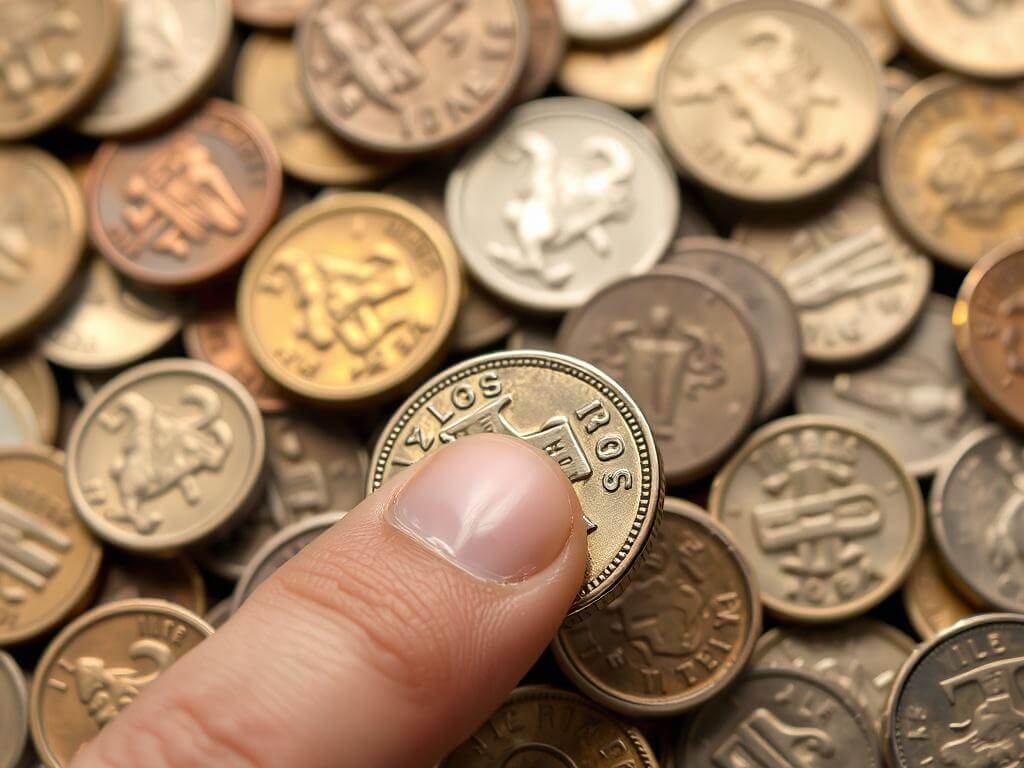
Provenance — the documented ownership history — adds value for some collectors, especially for major rarities. Auction records and dealer catalogs can show what similar coins have sold for. Search specialized databases, then verify with multiple sources before drawing conclusions.
Market Demand and Price Guides
Price guides are a starting point, not a certified valuation. Books like the Red Book (for U.S. coins), dealer price lists, and online guides from grading companies provide ranges based on grade. Realized prices at auctions and eBay “sold” listings reveal the market’s current appetite and the practical price a coin can fetch.
Check multiple resources. A coin listed at one price guide might sell for less in a slow market or much more if a specific collector wants it. Track auction houses that specialize in coins to see actual selling prices, not just estimates.
- Red Book (Whitman Publishing) — good for U.S. circulation coins
- PCGS and NGC online price guides — frequent updates
- Auction archives — Heritage, Stack’s Bowers, local auction houses
- Completed eBay listings and marketplace analytics
Detecting Counterfeits and Alterations
Counterfeits are more common with high-value or bullion coins. Simple tests can flag many fakes, but no single check is definitive. Use a combination of weight, diameter, magnetism, and surface exam. A genuine gold coin should not be magnetic; a mismatch in weight from standard specs is a red flag.
| Red Flag | Simple Test | What It Might Indicate |
|---|---|---|
| Wrong weight | Digital scale comparison with specs | Counterfeit or altered planchet |
| Magnetic attraction | Use a small magnet | Base metals, plated fakes |
| Poor edges or seams | Visual inspection and magnification | Cast coin or joined pieces |
| Surface bubbles/unevenness | Magnifier exam of fields and rims | Cast coin or electroplate bubbling |
| Unnatural shine | Look for cleaning marks or polishing | Value loss from harsh cleaning |
If a coin seems important but you have doubts, consult a reputable dealer or grading service before spending money. Many dealers will offer an opinion for a small fee or trade credit.
Documenting and Photographing Your Coin
Good photos are essential whether you’re researching or planning to sell. Shoot both obverse and reverse with even lighting and a neutral background. Include a ruler or another coin of known size for scale. Take detail shots of dates, mint marks, edges, and any damages or unique features. Save images with descriptive filenames and keep a simple spreadsheet with measurements, weight, provenance notes, and references.
Metadata helps later: date of photograph, who handled the coin, and any tests performed. Organized documentation speeds up valuation and builds trust if you sell or consign the piece.
Selling: Options and Strategies
Decide whether you need cash quickly or can wait for the best price. Selling to a local dealer is fast but generally yields the lowest price. Consignment at auction can bring top dollar for the right coin but charges fees and may take months. Online marketplaces reach many buyers, but packaging, shipping, and fraud risk add complexity.
- Local dealer — quick sale, lower price
- Coin shows — face-to-face bargaining with multiple dealers
- Auction house — best for rarities or high-grade coins, higher fees
- Online marketplaces — broad exposure, manage listings and shipping
- Professional consignment — specialized marketing, slower timeline
Take time to get multiple offers on more valuable pieces. If you sell, disclose known issues and include clear photos to avoid disputes.
Storage and Preservation
Proper storage preserves value. Use inert, archival-quality holders: hard plastic slabs, Mylar flips, or acid-free envelopes. Avoid PVC flips; PVC can leach and cause long-term damage. Keep coins in a stable, low-humidity environment away from direct sunlight and extreme temperatures.
If you store a collection long-term, consider a dry cabinet, silica gel packs, and inventory records. For high-value coins, insured storage in a safe deposit box or specialized vault service can make sense.
Legal and Ethical Considerations
Know the laws in your country about found coins, cultural heritage, and export restrictions. Some countries require reporting archaeological finds or ban private ownership of certain antiquities. If you found a coin while metal-detecting or on protected land, check local rules before removing or selling anything. Ethical collecting maintains respect for archaeological context and legal obligations.
Common Mistakes to Avoid
- Cleaning a coin aggressively — it often damages value irreversibly.
- Relying on a single price guide — cross-reference auction records and multiple guides.
- Ignoring provenance and documentation — records add credibility and value.
- Assuming a rare date equals a valuable coin — condition and demand matter most.
- Falling for high-pressure dealer tactics — take time and get second opinions.
Next Steps: A Quick Checklist Before You Decide
- Identify coin type, date, and mint mark.
- Weigh and measure; compare to official specs.
- Compare condition to illustrated grade guides.
- Search auction archives and completed sales online.
- Document with clear photos and notes.
- Decide whether to consult a dealer or submit to grading.
Conclusion
Checking the value of an old coin is a measured process: identify the piece, assess condition carefully, consult multiple price sources, and watch for signs of counterfeit or damage. Use simple tools and keep detailed records; if a coin looks truly important, seek a professional opinion before making big decisions. With patience and the right approach you’ll separate the interesting from the valuable — and avoid common mistakes that wipe out value.